
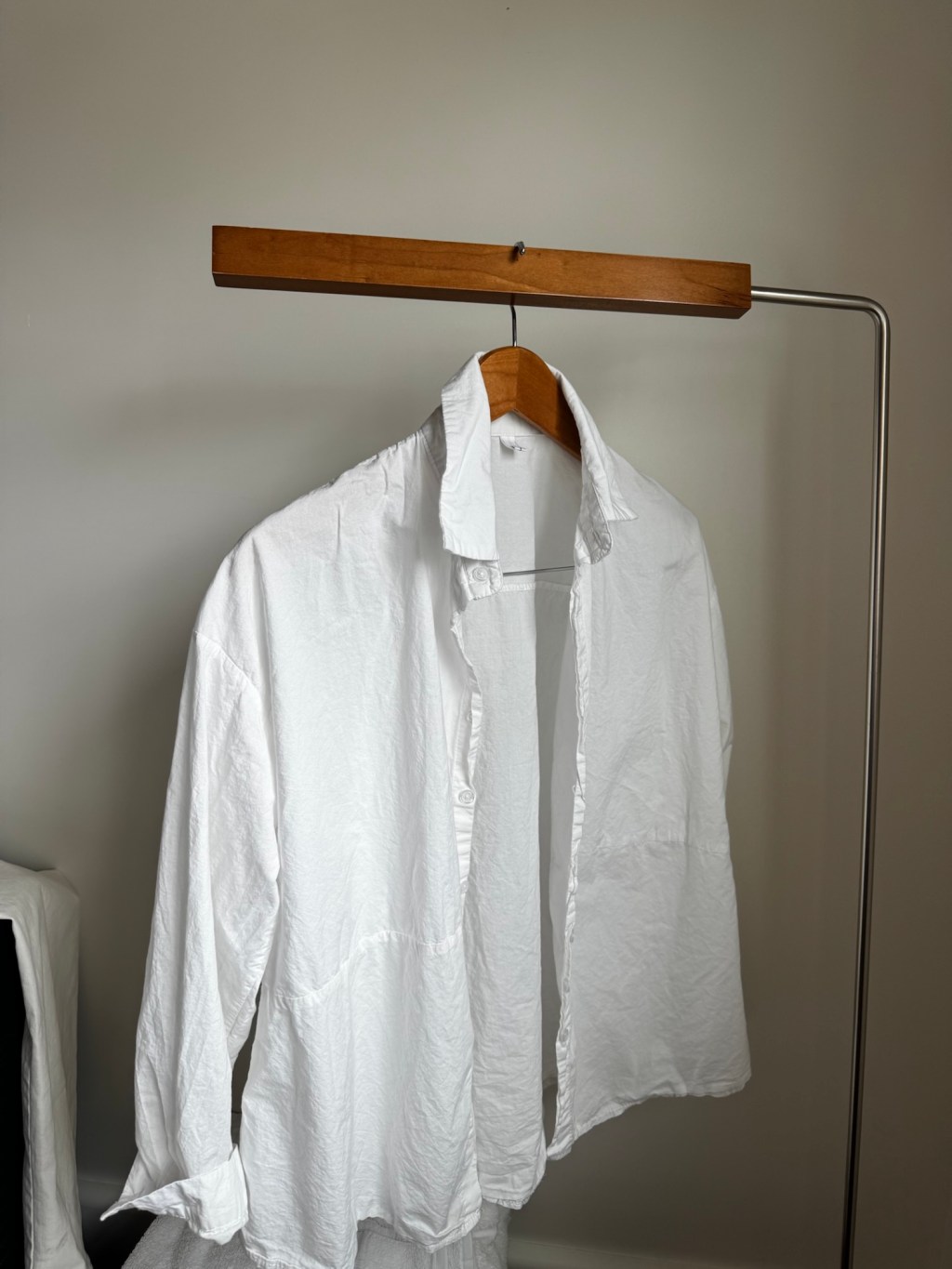
Have you ever noticed how wearing a formal outfit makes you feel more confident, putting on workout clothes motivates you to exercise, or changing into comfortable clothes after a long day helps you relax? This is not just a coincidence. It is connected to an interesting psychological concept called Enclothed Cognition.
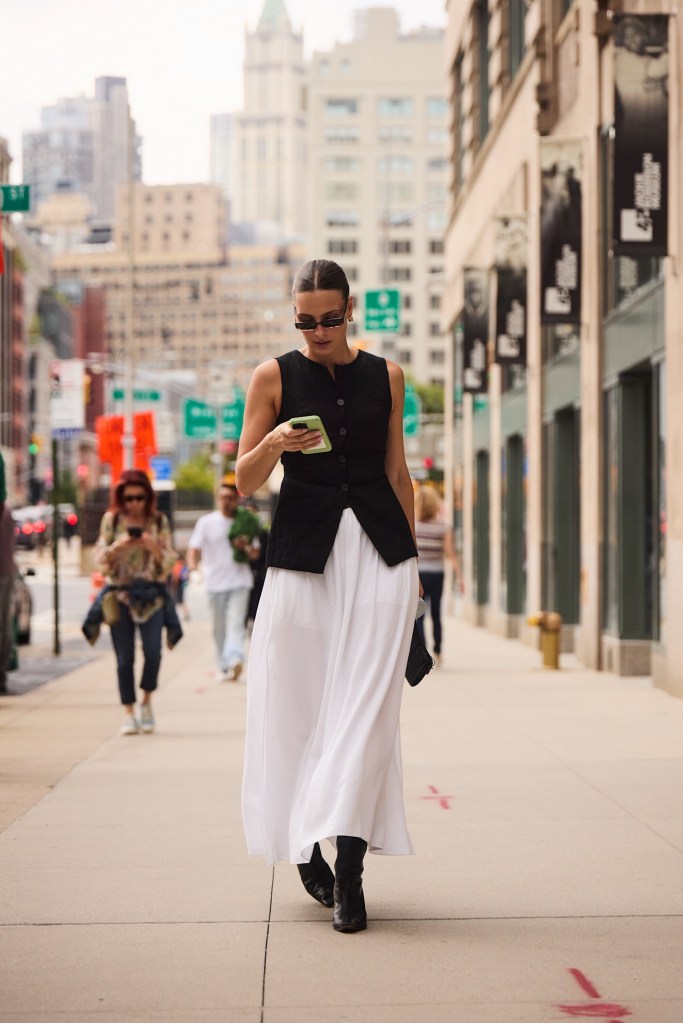
Enclothed cognition refers to the way our clothes influence our thoughts, feelings, behaviour, and performance. In simple terms, what we wear can affect how we feel about ourselves and how we approach different situations in everyday life.
The Psychology Behind What We Wear
Clothing is more than just a way of expressing personal style. It carries symbolic meaning and can influence our mindset.
For example, wearing a formal suit may make us feel professional and confident. Wearing workout clothes may put us in an active mindset, making us feel more motivated to exercise. Similarly, comfortable clothes can help us feel relaxed and ready to unwind.
A well-known 2012 study by researchers Hajo Adam and Adam Galinsky explored this concept. Participants who wore a lab coat associated with attentiveness performed better on an attention-related task when they believed they were wearing a doctor’s coat. This demonstrated how the symbolic meaning of clothing can influence our mental processes.
Enclothed Cognition in Our Daily Lives
We experience the influence of clothing in many everyday situations:
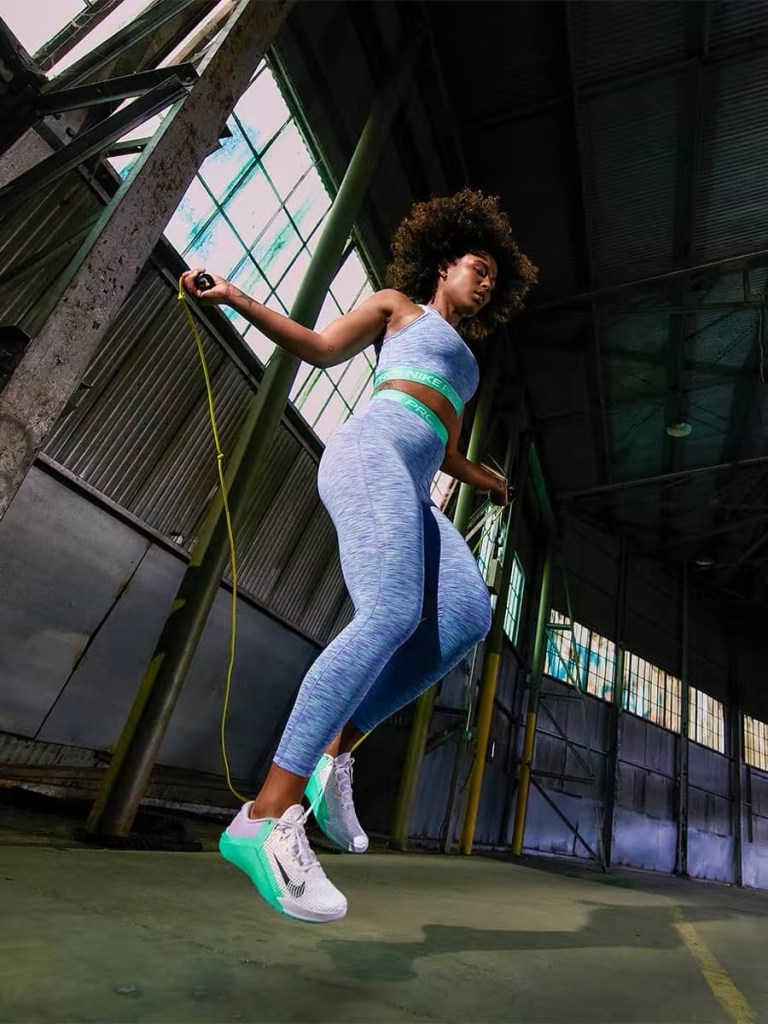
- Workout clothes and exercise: Wearing sportswear or gym clothes can create a mental shift towards physical activity. Even before starting a workout, changing into exercise clothes can help us feel motivated, energetic, and ready to move.
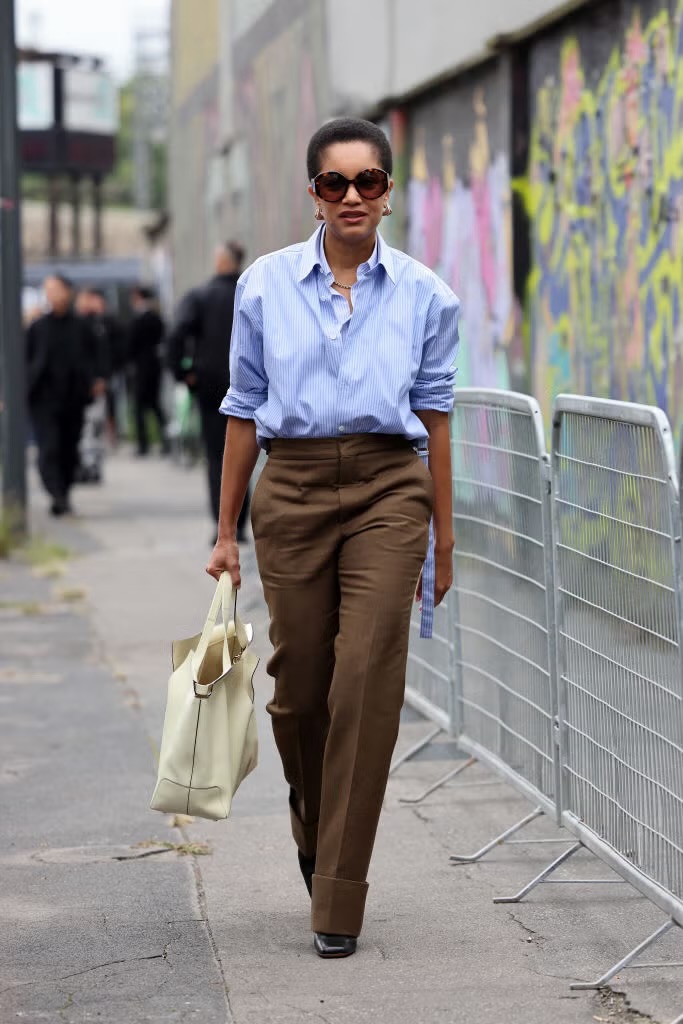
- Formal clothes at work: Dressing professionally can help us feel more confident, responsible, and prepared for meetings, presentations, or important decisions.
- Comfortable clothes at home: Changing into comfortable clothes after work can signal to our minds that it is time to relax and switch off from professional responsibilities.
- Clothes while studying: Getting dressed and choosing comfortable yet structured clothing can help establish a study routine and create a sense of focus.
- Dressing for social occasions: Wearing an outfit we love can boost our confidence and make us feel more comfortable when interacting with others.
- Special occasions: Wearing clothes associated with celebrations or important events can influence our emotions and make us feel more excited and involved.
Dressing for the Mindset We Want
One interesting aspect of enclothed cognition is that we can use it intentionally in our daily routines.
Want to exercise? Put on your workout clothes. Need to feel confident before a presentation? Choose an outfit that makes you feel professional. Planning a productive work-from-home day? Get out of your sleepwear and dress for the task. Need to unwind? Change into something comfortable.
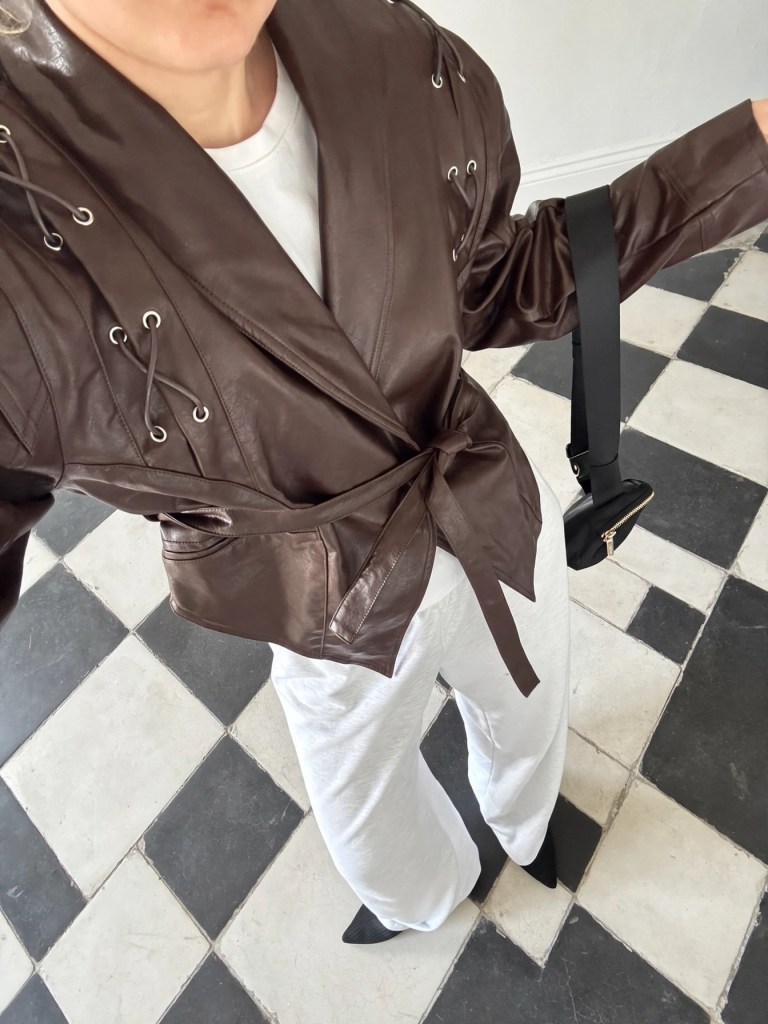
These small clothing choices can act as psychological cues, helping us transition between different activities and mindsets.
Of course, wearing a particular outfit does not automatically guarantee motivation, confidence, or success. Our habits, environment, and personal experiences also play important roles. However, clothing can be a simple tool to support the mindset we want to develop.
Our clothes do more than define our appearance; they can influence how we think, feel, and behave. From workout clothes that encourage us to move to formal attire that helps us feel confident, our everyday clothing choices can have a subtle psychological impact.
So, the next time you get dressed, think beyond fashion and appearance. Ask yourself:
“How do I want to feel today, and what can I wear to help create that mindset?”
Because sometimes, the right outfit is not just about looking the part; it is also about feeling the part!


Leave a Reply